Archives
- 2026-08
- 2026-07
- 2026-06
- 2026-05
- 2026-04
- 2026-03
- 2026-02
- 2026-01
- 2025-12
- 2025-11
- 2025-10
- 2025-09
- 2025-03
- 2025-02
- 2025-01
- 2024-12
- 2024-11
- 2024-10
- 2024-09
- 2024-08
- 2024-07
- 2024-06
- 2024-05
- 2024-04
- 2024-03
- 2024-02
- 2024-01
- 2023-12
- 2023-11
- 2023-10
- 2023-09
- 2023-08
- 2023-07
- 2023-06
- 2023-05
- 2023-04
- 2023-03
- 2023-02
- 2023-01
- 2022-12
- 2022-11
- 2022-10
- 2022-09
- 2022-08
- 2022-07
- 2022-06
- 2022-05
- 2022-04
- 2022-03
- 2022-02
- 2022-01
- 2021-12
- 2021-11
- 2021-10
- 2021-09
- 2021-08
- 2021-07
- 2021-06
- 2021-05
- 2021-04
- 2021-03
- 2021-02
- 2021-01
- 2020-12
- 2020-11
- 2020-10
- 2020-09
- 2020-08
- 2020-07
- 2020-06
- 2020-05
- 2020-04
- 2020-03
- 2020-02
- 2020-01
- 2019-12
- 2019-11
- 2019-10
- 2019-09
- 2019-08
- 2019-07
- 2019-06
- 2018-07
-
GSK is inhibited by serine phosphorylation at
2021-10-19
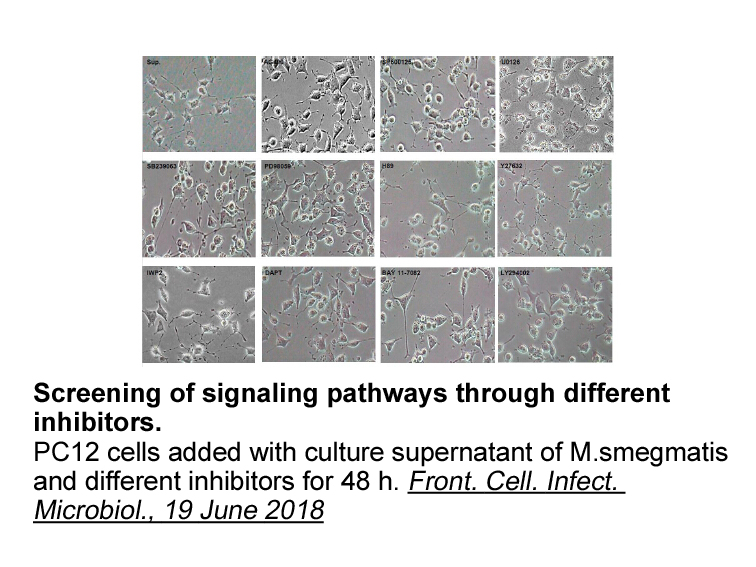
GSK-3 is inhibited by serine Tazobactam sodium salt at a residue its N-terminus (Ser 9 in GSK-3β and Ser 21 in GSK-3α) [52], [53], [54]. This raised the possibility that the N-terminal tail may function as a pseudo-substrate by mimicking the pre-phosphorylated substrate. The interaction mode of the
-
The association between mental disorders and smoking was fir
2021-10-19
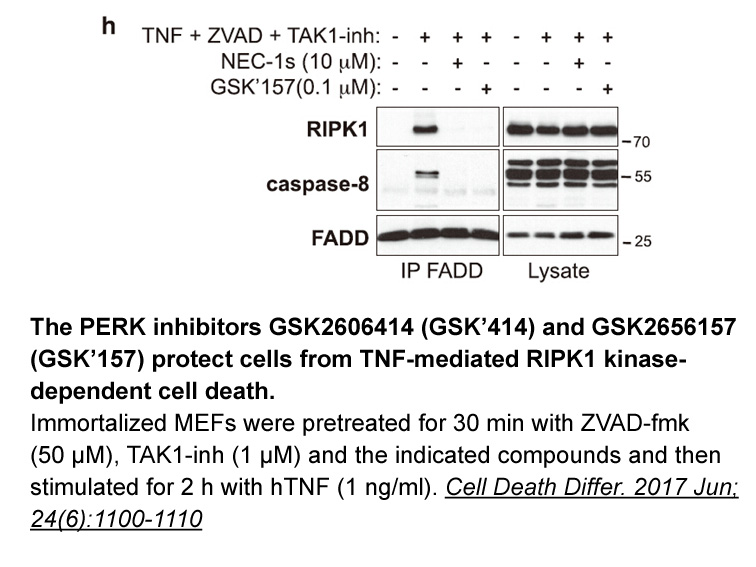
The association between mental disorders and smoking was firmly established, and their inter-relationship was due to the reciprocal causal effects (Tjora et al., 2014). Previous research found that negative affect and the urge to smoke as well as the urge to smoke and nicotine dependence had signifi
-
br Declaration of interest br
2021-10-19

Declaration of interest Acknowledgments This work was supported by grants from the Polish National Science Centre (PRELUDIUM grant no. 2013/11/N/NZ5/00270) and the European Commission FP7 Project Beta-JUDO (grant number 279 153), European Union EIT Health project DeTecT2D, Swedish Diabetes A
-
After ischemia expression of transcription factors
2021-10-19
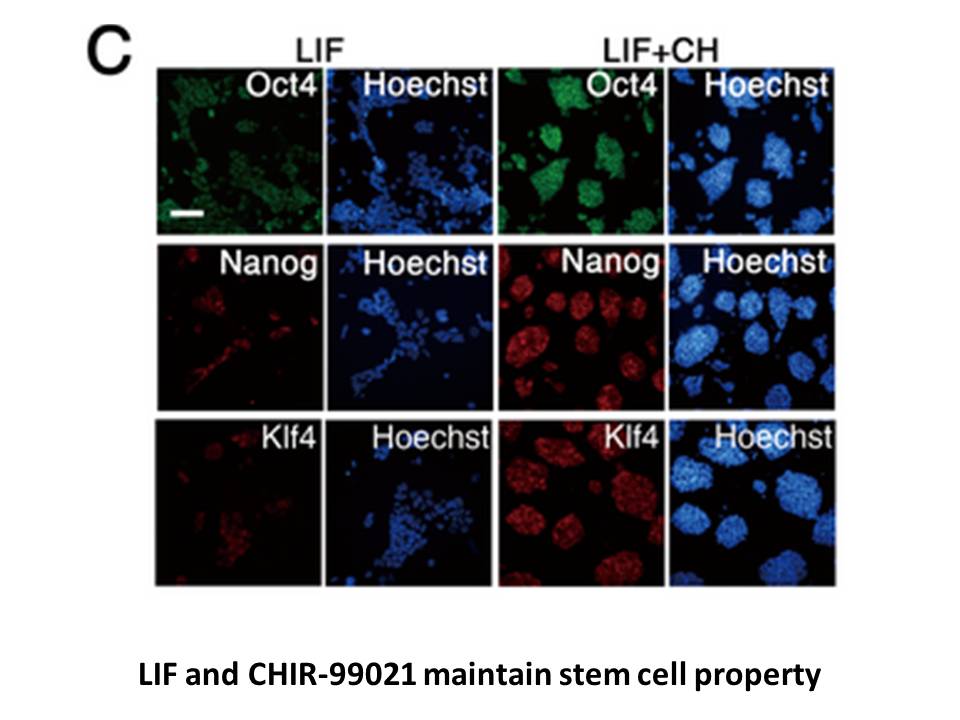
After ischemia, expression of transcription factors, including products of immediate early genes, stress proteins and neurotrophic factors are also altered in CA1 neurons78, 79. These proteins are potential candidates for downregulating of GluR2 expression by reducing mRNA transcription or stability
-
br Introduction Hepatocyte injury initiates and
2021-10-18
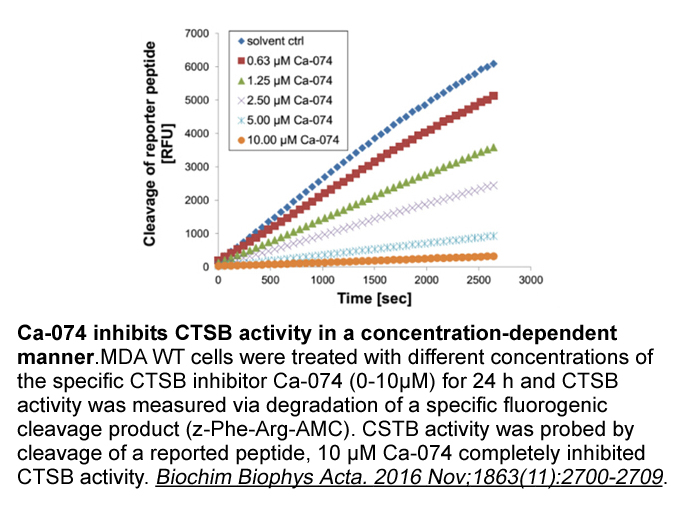
Introduction Hepatocyte injury initiates and facilitates inflammation in the course of liver disease progression. Thus, understanding the regulatory basis for sensing and responding to damage-associated inflammatory processes in the liver’s parenchymal cells is a primary issue in liver pathophysi
-
The extensive worldwide research efforts in the decade
2021-10-18
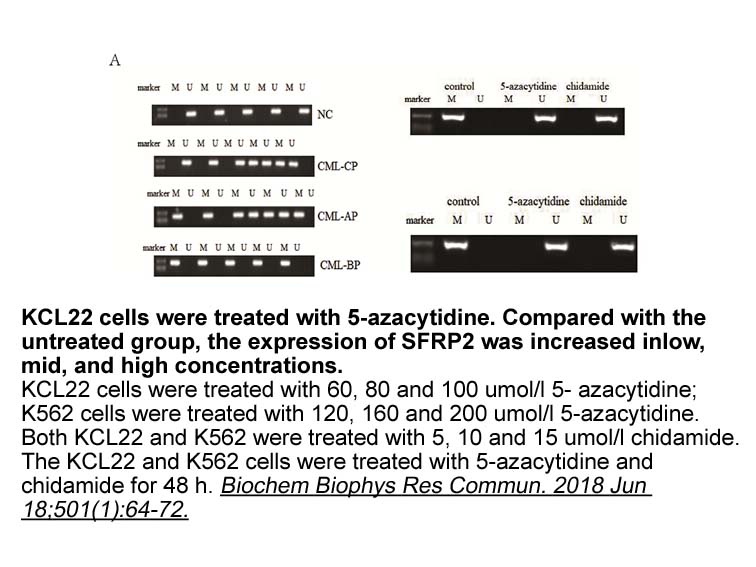
The extensive worldwide research efforts in the decade following FFA1 de-orphaning aimed at developing clinically useful FFA1 agonists were nearly halted after Takeda’s first-in-class agent fasiglifam (TAK-875) was discontinued in phase III of human trials. On the date of submission of this manuscri
-
br Anandamide signaling and cardiovascular function The card
2021-10-18
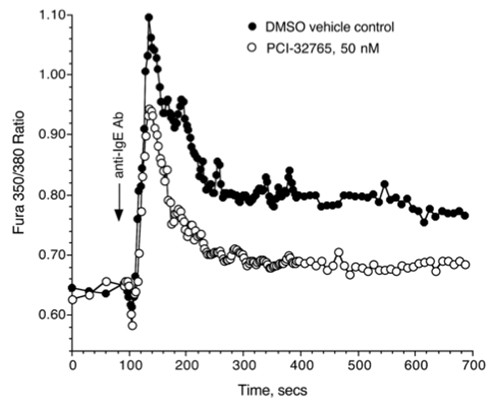
Anandamide signaling and cardiovascular function The cardiovascular effects of cannabinoid compounds have been known for a long time. Studies in humans indicate that chronic use of marijuana causes long lasting decrease in blood pressure and heart rate, whereas the acute use increases heart rate
-
isrib br Methods br Results We have previously used hex assa
2021-10-18
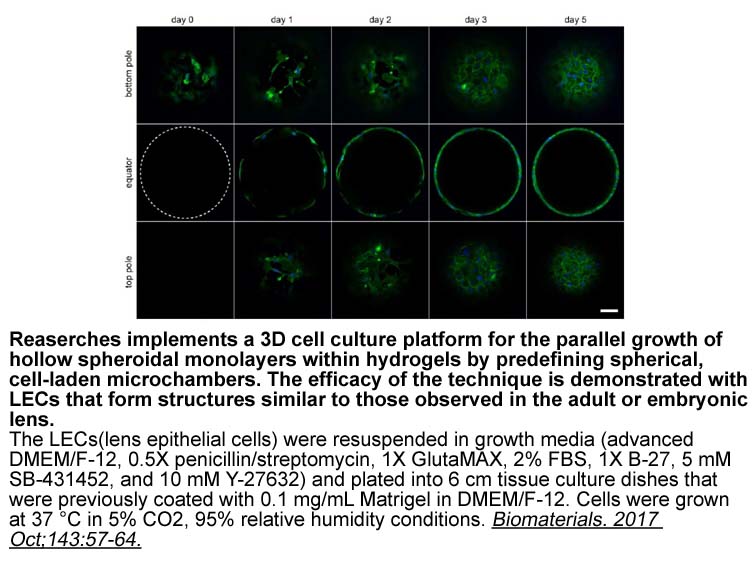
Methods Results We have previously used ß-hex assays in HeLa isrib to study the role of lysosomal exocytosis on transition metal clearance and the effects of transition metals on lysosomal exocytosis [26], [29], [40]. ß-hex is a lysosomal enzyme, the delivery of which to the extracellular med
-
br Expression and Purification of LSD Proteins br In Vitro
2021-10-18
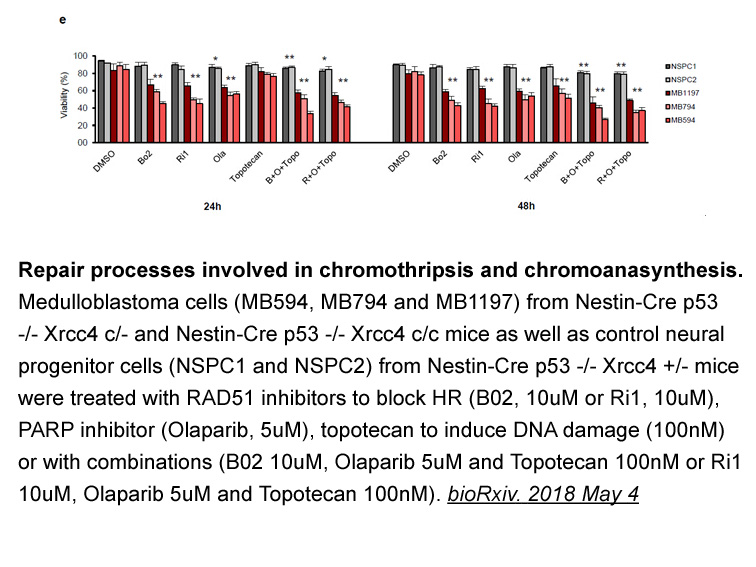
Expression and Purification of LSD1 Proteins In Vitro Enzymatic Assays Analysis of LSD1 Demethylase Activity Acknowledgments Conflict of Interest Statement: Y.S. is a cofounder of Constellation Pharmaceuticals, Inc. and is a member of its scientific advisory board. Y.S. is also a consu
-
HO acted as an intracellular defender
2021-10-18
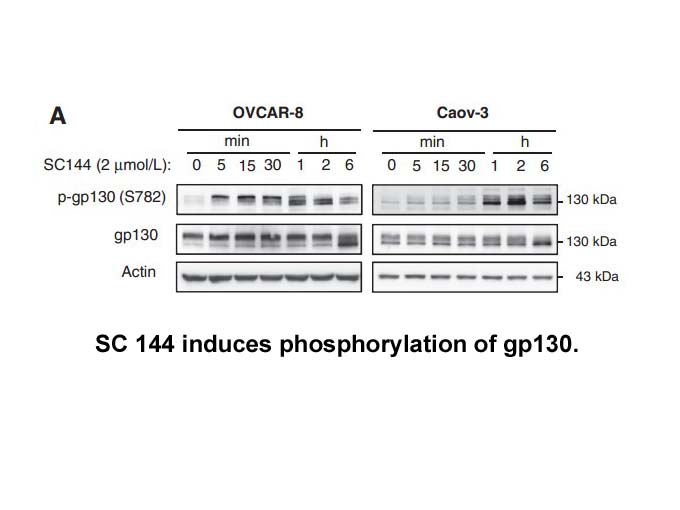
HO-1 acted as an intracellular defender against oxidative stress-induced cell damage. To elucidate the effects of HO-1 in ropivacaine-induced cytotoxicity in neuronal cells, HO-1 activity was inhibited using a specific HO-1 inhibitor zinc protoporphyrin, ZnPP. Our results indicate that ZnPP treatmen
-
All the compounds and were assayed for their
2021-10-18
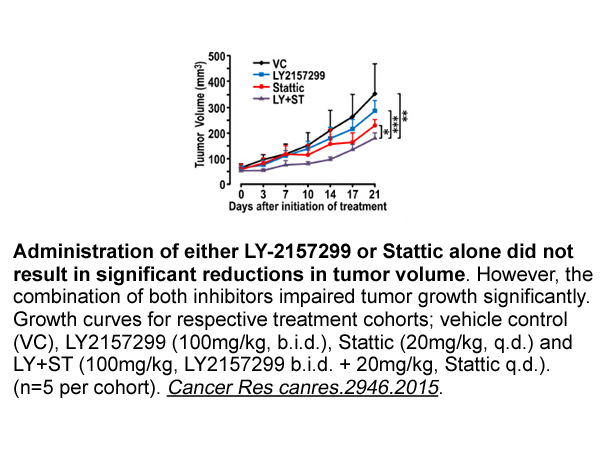
All the compounds –, , , –, , – and – were assayed for their potential cytotoxicity at a single dose of 10 µM on Huh7 cells. Interestingly, all compounds proved to be non toxic, with the exception of and which exhibited high cellular toxicity and therefore were excluded from further experiments (a).
-
CgtA is involved in stringent response and it interacts with
2021-10-18
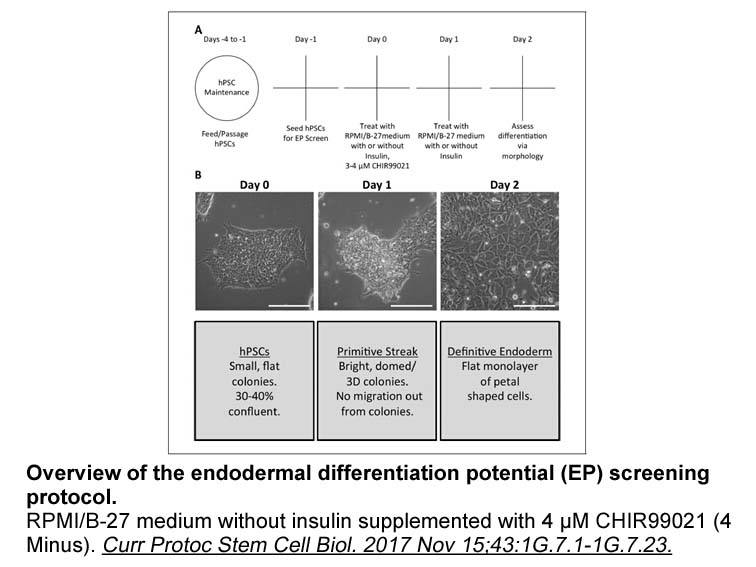
CgtA is involved in stringent response and it interacts with SpoT to maintain optimal (p)ppGpp/ppGpp quotient in bacteria. Depletion of CgtA results in increased ppGpp levels [8]. CgtA is also important for cellular development [12] and involved in synchronization of DNA replication initiation and c
-
For some agonists these stable GPR
2021-10-18
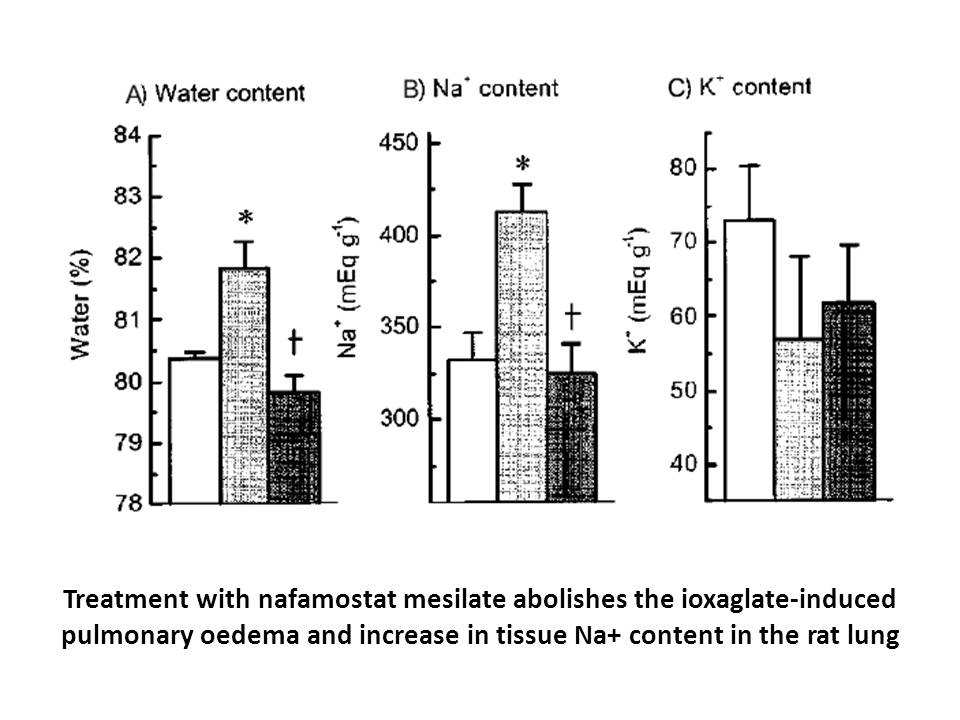
For some agonists, these stable GPR119 responses were resistant to washing. Thus, sustained activation could continue, for at least a number of hours, even after removal of free agonist. These data are consistent with reports for other GPCR systems that do not desensitize (Calebiro et al., 2009, Fer
-
Previously we have shown that the natural flavonoid compound
2021-10-18
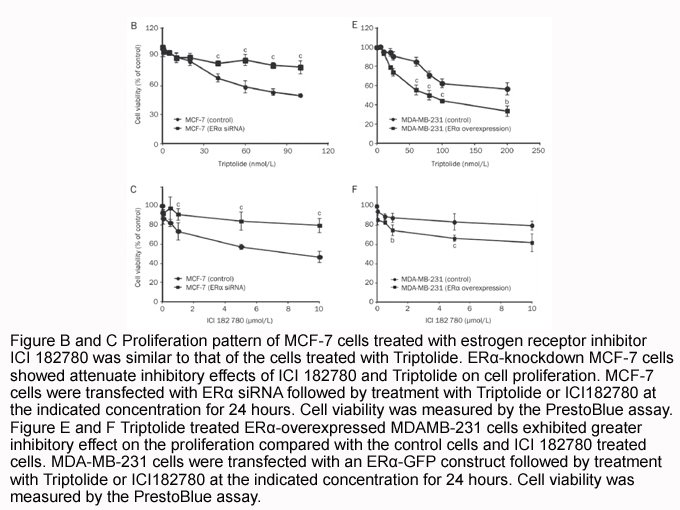
Previously, we have shown that the natural flavonoid compounds that possess C-4 ketone group and C-5 hydroxy group, such as baicalein, luteolin, myricetin and quercetin, effectively inhibit human GLO I. Considering our interest in inhibitors of GLO I and based on the rationale mentioned above, struc
-
dna synthesis inhibitors The EEGs of these six patients inte
2021-10-18
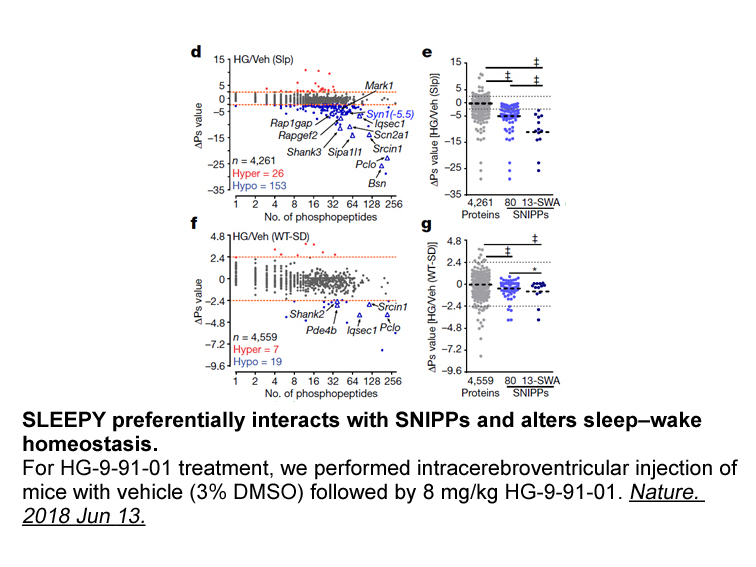
The EEGs of these six patients interestingly showed focal, multi-focal and generalized spikes, which was an exclusion criteria in our study as we selected our cohort to exclusively represent focal epilepsy. Remarkably all of these cases were diagnosed with paroxysmal exercise-induced dyskinesia (PED
15457 records 582/1031 page Previous Next First page 上5页 581582583584585 下5页 Last page